
Train Merge is an I-Line 2 function that combines up to five trains quickly and seamlessly, used by depots and terminals where yard space is tight and resources have to be optimised
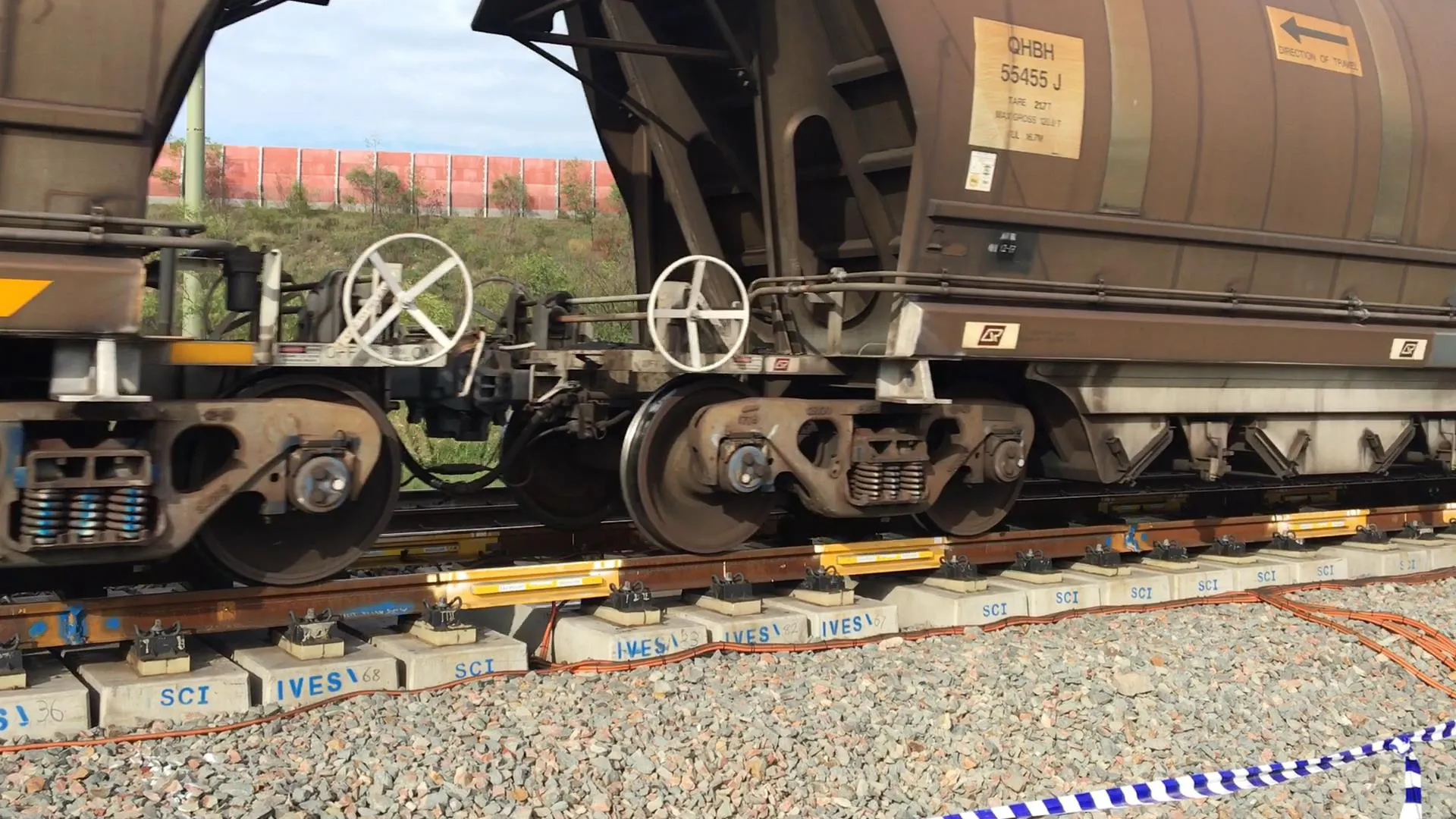
Real-time weight data turns weighing from a record-keeping task into an operational control system. Captured automatically as every train passes and processed by I-Line 2, it flags overloads, over-speeds and imbalances as they happen, optimises depot space through Train Merge, tracks commodity inventory in and out, and makes maintenance and capacity planning evidence-based rather than instinctive.
In this article
For decades, weighing a train was a full stop, literally. You weighed, you recorded a number, you filed it. Today that number is a signal in a stream. This is the power of data, and it is transforming rail freight efficiency.
From Measurement to Intelligence
A single weight reading tells you one thing. A continuous stream of weight data, captured automatically as every train passes, tells you how your network is performing. Railweight’s track-based systems capture wheel, axle, bogie, wagon and total-train weights in motion, and I-Line 2 turns that raw data into intuitive, real-time dashboards across single or multiple sites.
Real-time Visibility, Real-Time Action
The value of data is in how fast you can act on it. I-Line 2’s interactive wagon display visually flags overloads, over-speeds and imbalances the moment they occur, with clear red and green error coding. Automatic email and SMS alerts fire on key events, such as when a train is weighed or a limit is breached, so the right people act immediately, not after the fact.
Optimising Depots and Resources
Space is money in a busy depot. The Train Merge function lets operators combine up to five trains quickly and seamlessly, optimising resources where yard space is tight. Detailed inventory management stores the weights of individual commodities as they enter or leave by train, giving a live picture of what is on site.
Better Decisions Across the Business
Weight data feeds far more than the invoice. Analysed over time, it informs decisions about performance, maintenance and safety of the rail network, and reveals the true cost-effectiveness of operations. Which routes are running under capacity? Which wagons show recurring imbalance? Where is high-impact loading accelerating wear? Data answers these questions and turns maintenance from reactive to predictive.
Compliance and traceability by default
Because Railweight systems are legal-for-trade, conforming to OIML R106, the data is defensible, usable for commercial billing and regulatory compliance. And because it is archived permanently, you have a complete, auditable history for every movement, exportable as XML, PDF or serial data.
Integrated, not isolated
Modern weight data does not live in a silo. Railweight systems integrate with any AVI or RFID system to automatically identify wagons and monitor an entire fleet from a head office, terminal or network hub. The result is a single source of truth that connects the trackside to the boardroom.
The competitive edge
Operators who treat weight as live data, not a paper number, gain a measurable edge: fewer fines, fewer derailment risks, less asset damage, tighter invoicing and higher throughput. In a sector where margins are hard-won, that is a decisive advantage.
Frequently Asked Questions
Yes. I-Line 2 exports as XML, PDF or serial data, and the TSR4000 provides RS232C or RS422 computer interfaces with Enquiry, Asis and Eureka data protocols.
Railweight systems integrate with any AVI or RFID system, so wagons are identified by number automatically and matched to the relevant weight data without manual entry.
See The Power of Data For Yourself
Ready to turn your weighing into live operational intelligence? Book an appointment to see how I-Line 2 and Railweight’s in-motion systems can transform your efficiency.