I-Line 2 Rail Scale Software
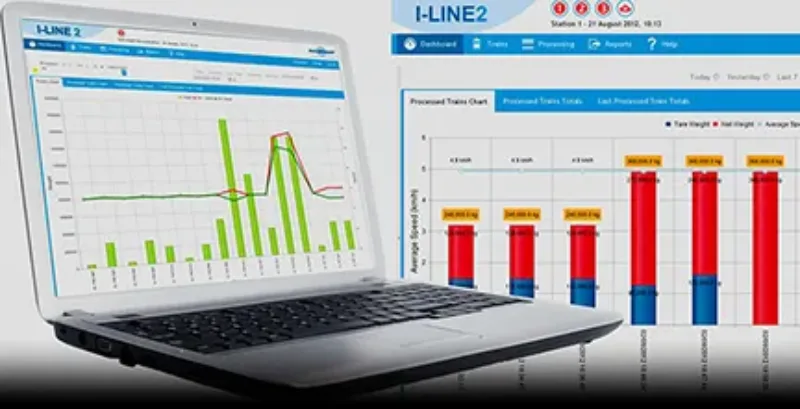
I-LINE 2 is a state-of-the-art data management software specifically designed for rail freight operators to maximise efficiency and streamline processes.

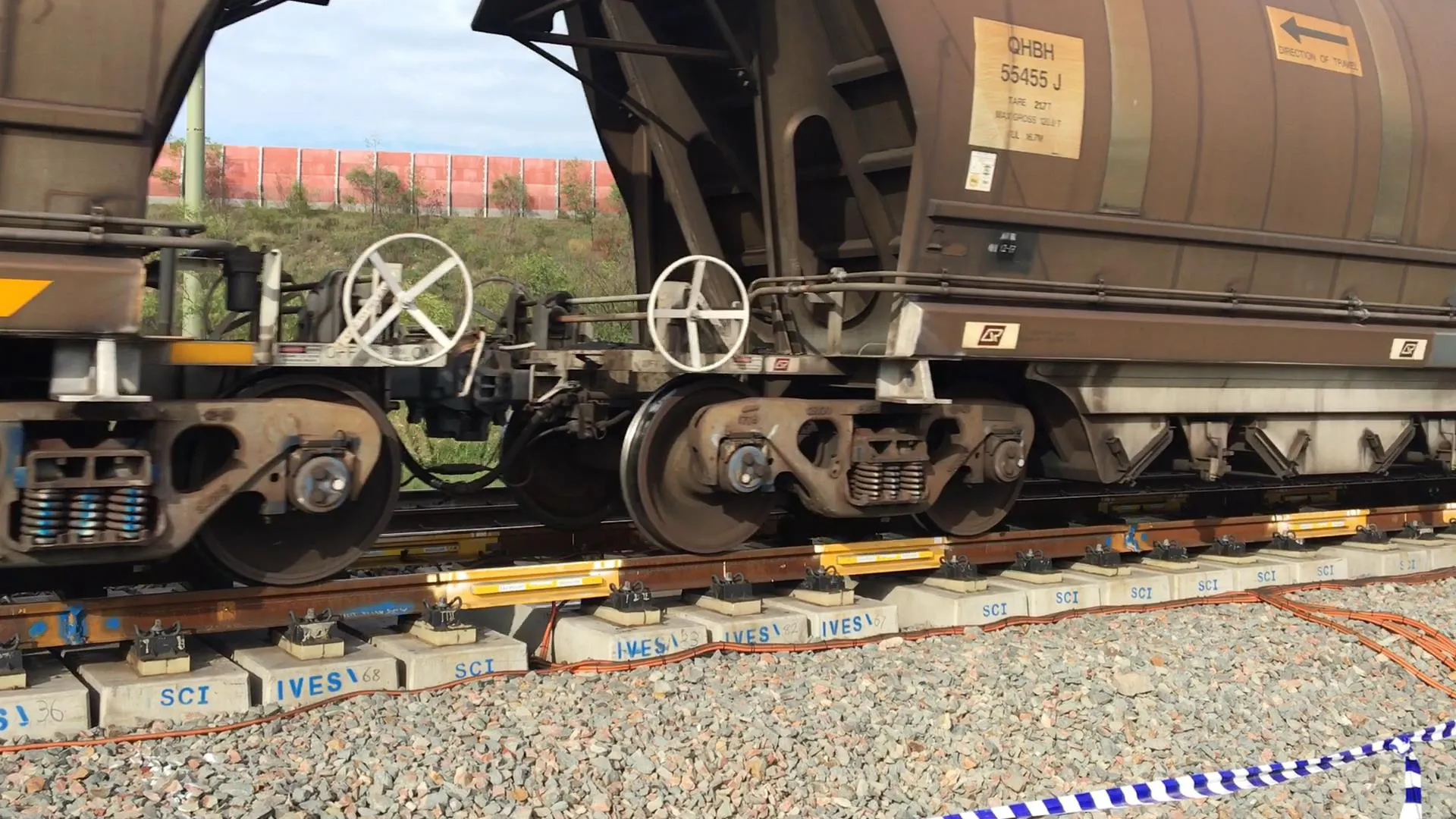
I-LINE 2 is a state-of-the-art data management software specifically designed for rail freight operators to maximise efficiency and streamline processes.
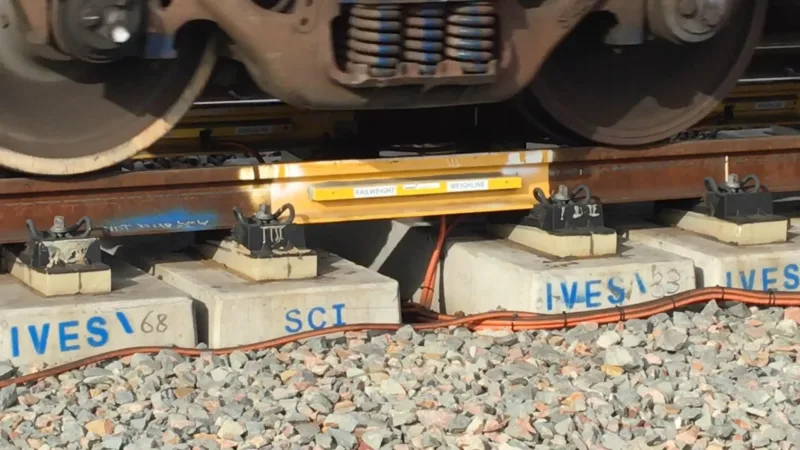
Weighline delivers faster results and lower operational costs than traditional train weighing.
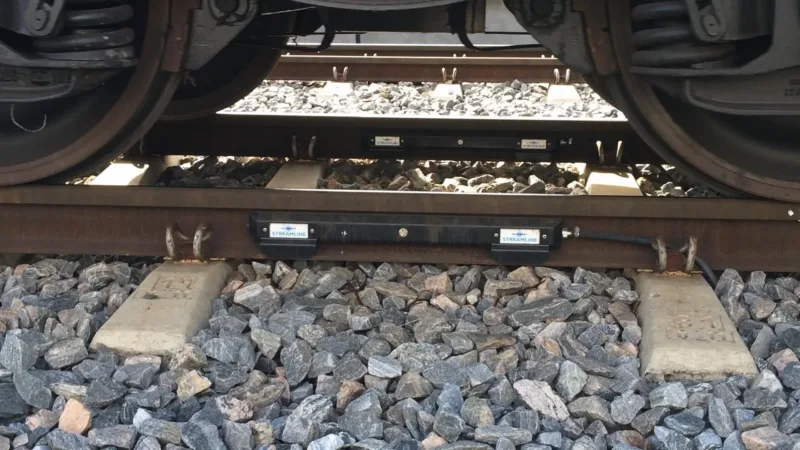
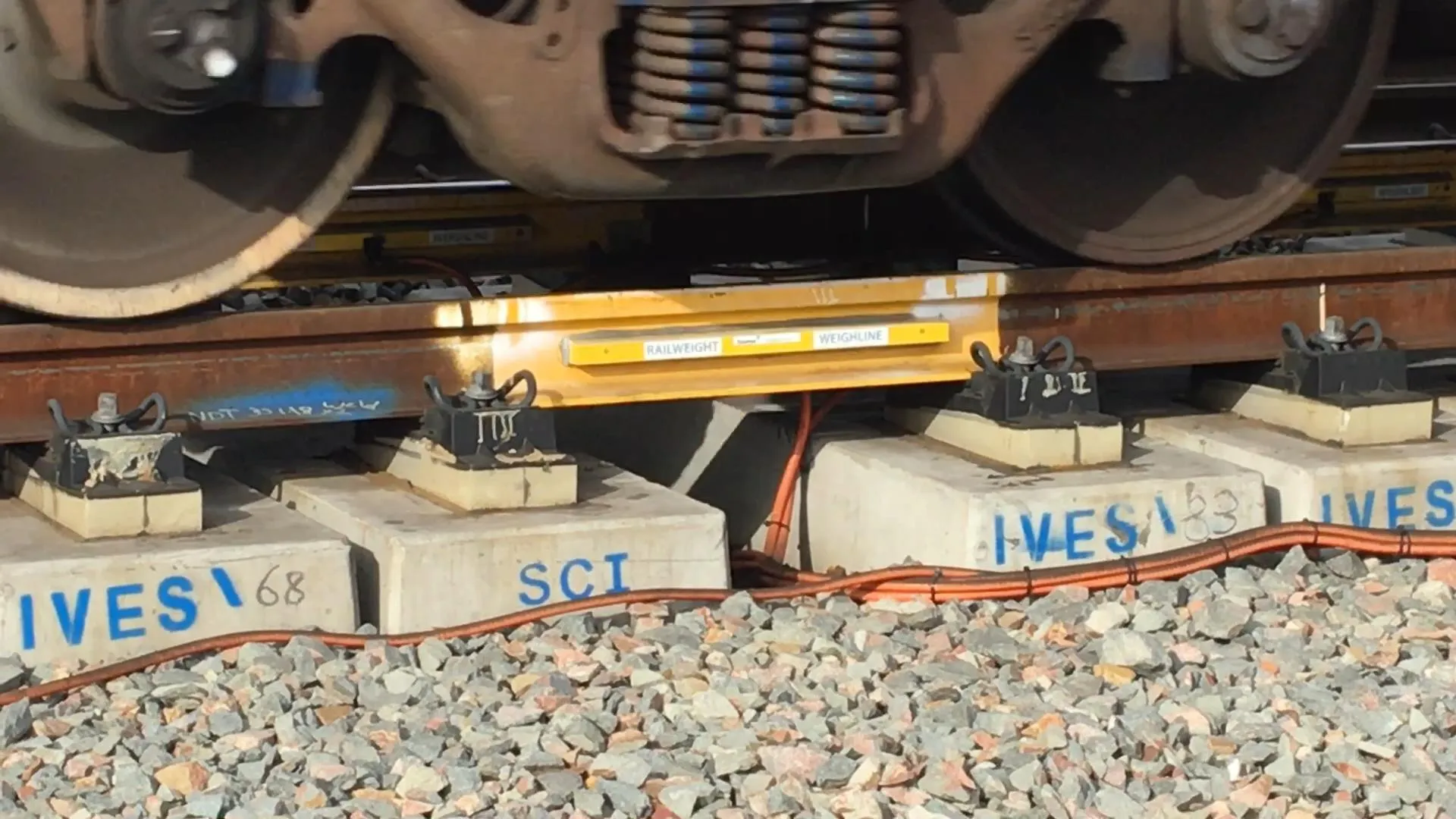
Twin Strip Technology with In-motion rail scale force measuring accuracy, engineered into the rail itself.
Railweight is the global leader in high-speed, in-motion train weighing, backed by patented advanced technology and the service network of parent brand Avery Weigh-Tronix (ITW)
View All ProductsRailweight’s track-based systems capture wheel, axle, bogie, wagon and total-train weights in motion. I-Line 2 turns that data into real-time dashboards, red/green error flagging and automatic email & SMS alerts, across single or multiple sites.
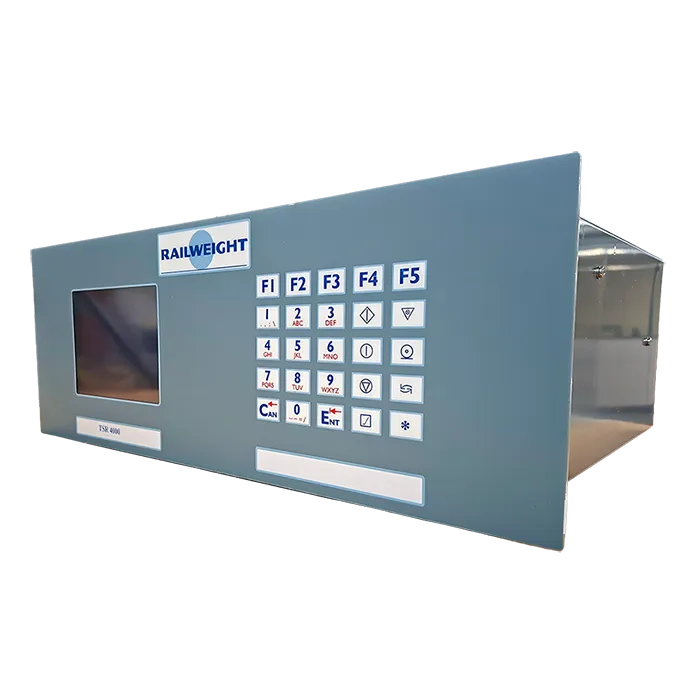
Maximise freight revenue with accurate, defensible invoicing for the exact product shipped.
Avoid overloading and eccentric loading that damage assets and cause derailments; detect leakage or theft.
Minimise high-impact loads at joints, turnouts and crossings, and achieve optimal weight distribution.
Fine-tune load control to maximise yield without exceeding loading capacity.
Railweight is the global leader in high-speed, in-motion train weighing, backed by patented advanced technology. We offer in motion, along with static rail weighing system. Click the Compare Scales button to download our Weigh In Motion vs Static Rail Weighing comparison sheet.
Compare Scales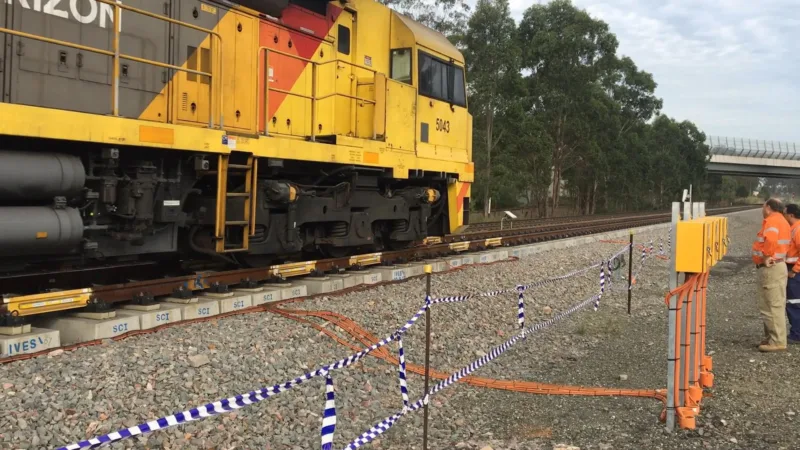
If you invoice by weight, “roughly right” is not good enough. Here is what trade approval actually means for rail weighing.
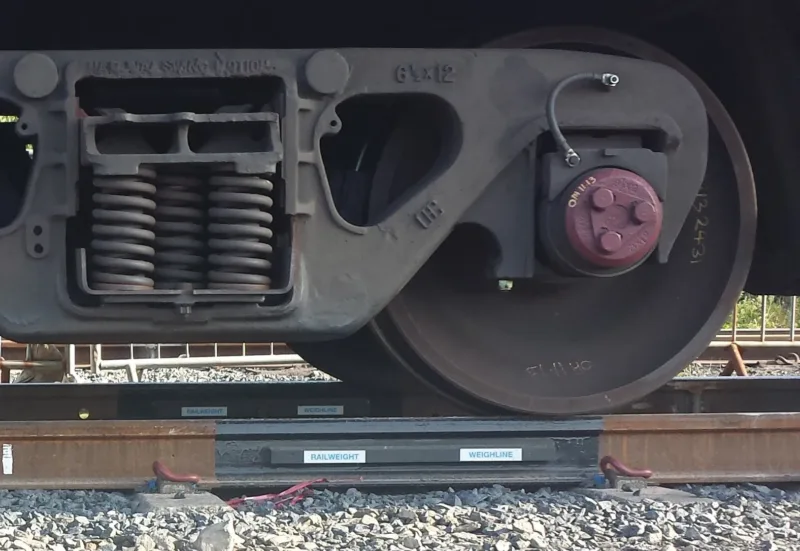
Choosing how to weigh your rail traffic is one of the highest-leverage decisions a freight, bulk or port operation can make. Here is the honest comparison.
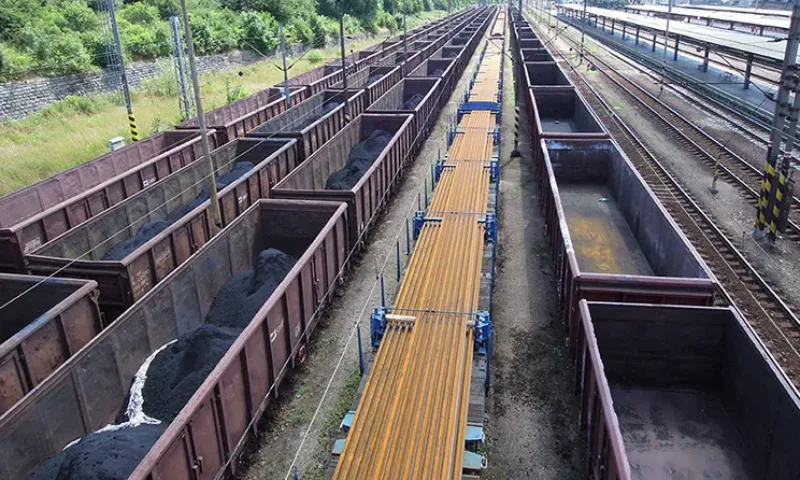
Overloading is one of the most expensive and dangerous problems in rail freight and one of the most preventable.
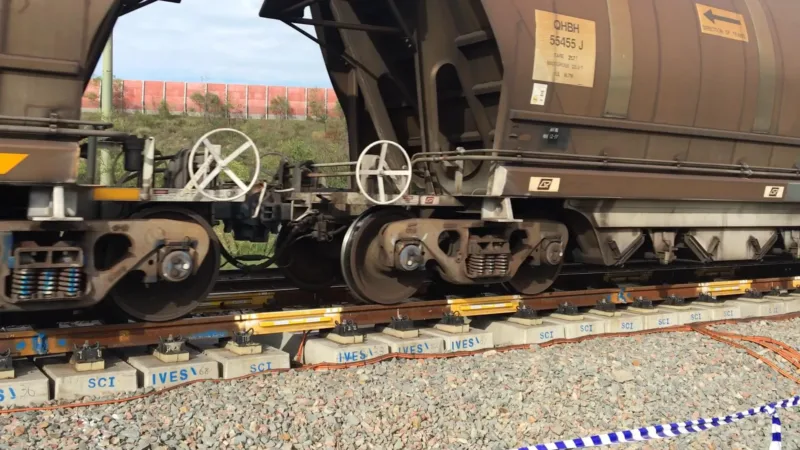
Weight is no longer a static figure on a docket. It is a live data stream that drives smarter decisions across the whole operation, while improving rail freight efficiency.
Measures true vertical wheel force while rejecting horizontal and torsional deflection, so rail imperfections never corrupt your reading.
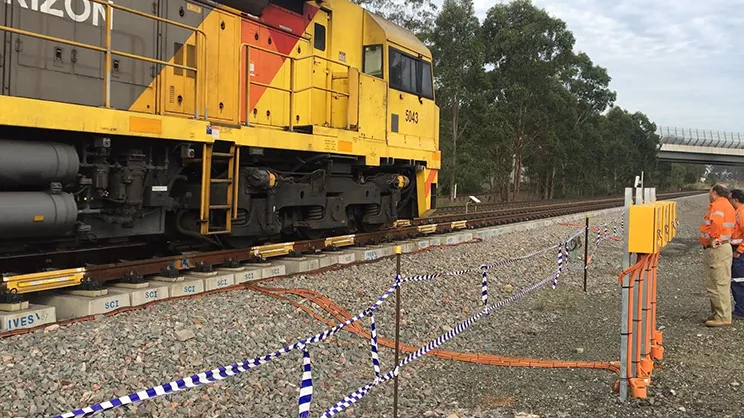
Fits into your existing railtrack with no expensive civil works and no moving parts to maintain.
A global network for commissioning, training, spares and static & dynamic calibration to international standards
About Us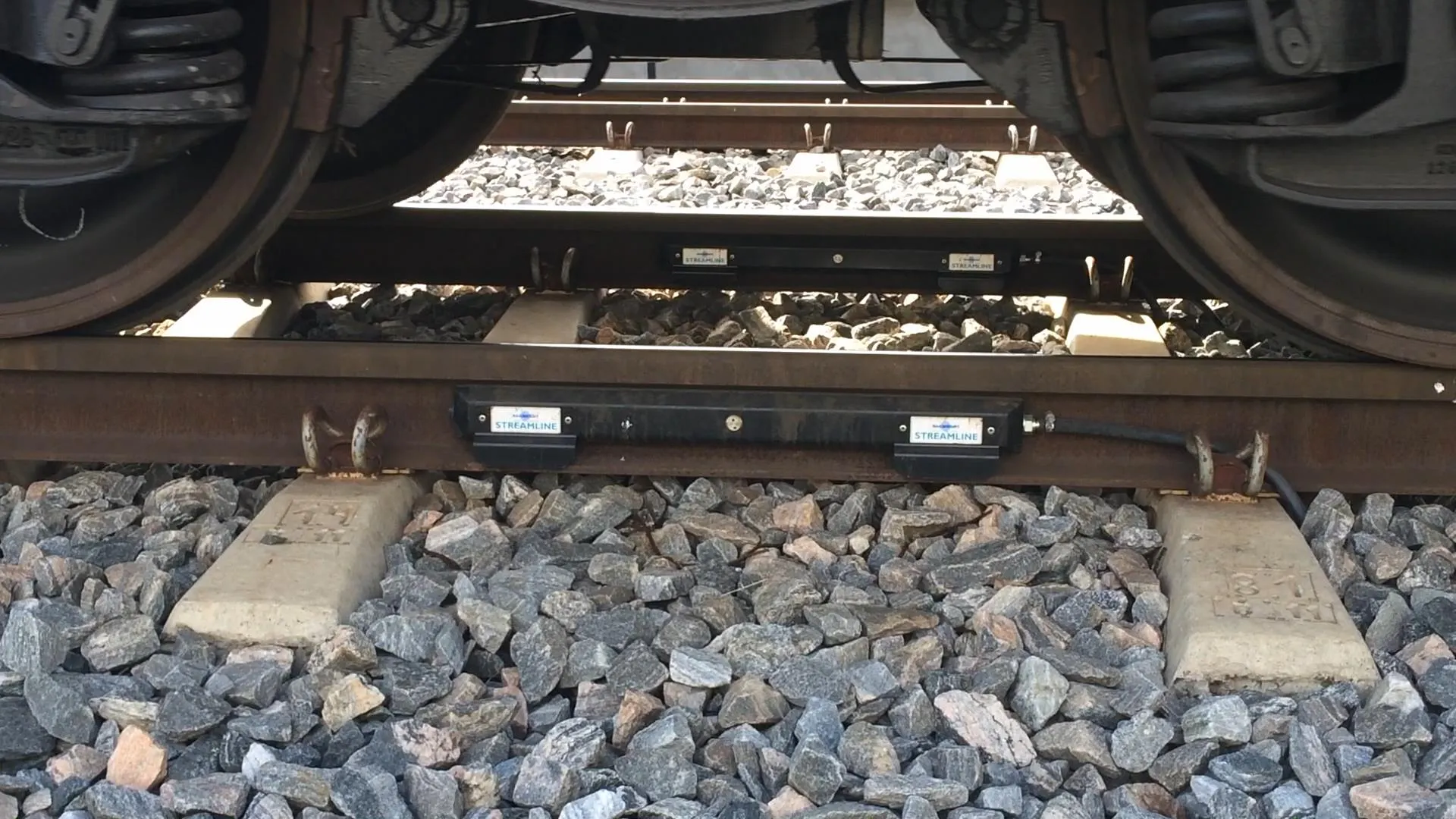
Get answers to the questions rail operators ask us most.
Need more information?
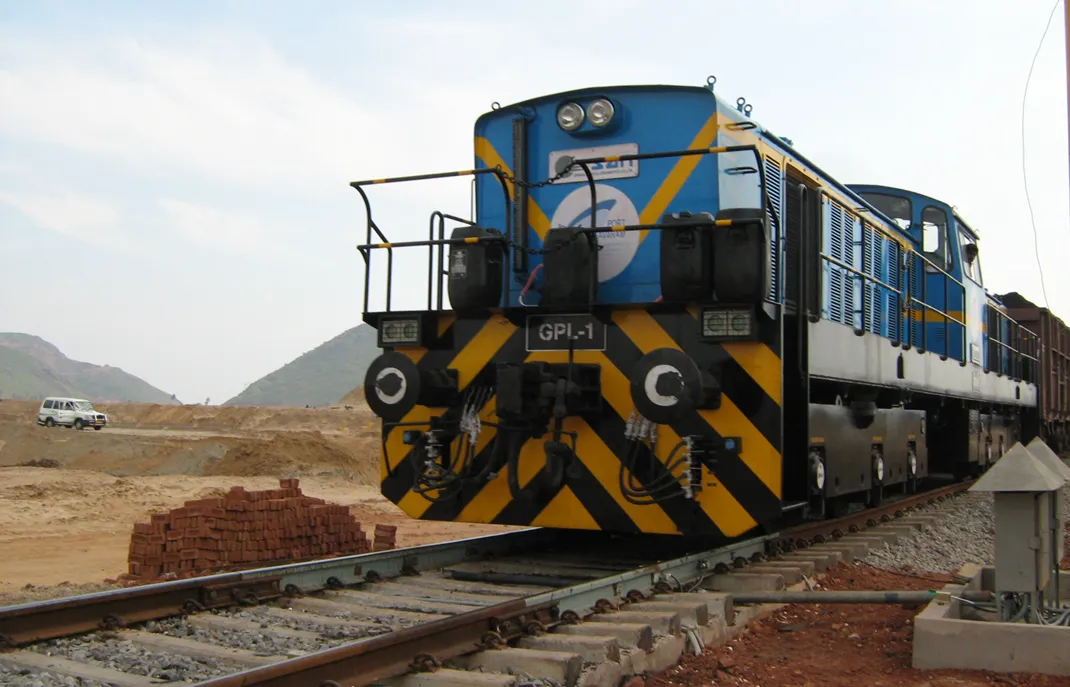
Weigh-in-motion weighs rail wagons and locomotives as they travel over in-track sensors, without stopping or uncoupling. Railweight systems weigh trains at up to 100-110 km/h, capturing wheel, axle, bogie, wagon and total-train weights in real time.
Railweight systems are legal-for-trade and conform to OIML R106, offering accuracy classes of 0.2, 0.5, 1 and 2 depending on application and speed – accurate enough for commercial invoicing and regulatory compliance.
Twin Strip Technology is Railweight’s internationally patented transducer design used in Streamline. It measures the vertical forces of train wheels while disregarding horizontal and torsional deflections, so rail or fixing imperfections do not affect measurement accuracy.
No. Railweight’s Streamline and Weighline transducers install into existing railtrack (subject to minimum rail size) quickly and with minimal disruption, avoiding expensive civil and rail works.
Static weighing requires trains to stop or uncouple over a weighbridge; dynamic weighing captures weights while the train moves at line or shunting speed. Dynamic weighing is faster, lowers operational cost and increases throughput.
Yes. Railweight systems meet OIML R60 and R106 requirements for trade weighing, so recorded weights can be used for commercial billing.
Railweight by Avery Weigh-Tronix offers a full range of customer support services. Our customer experience team are available to answer your questions, settle your concerns and provide you with solutions to your train weighing problems.
Book a free consultation with one of our expert rail scale Sales Advisor and receive a call back via WhatsApp, Zoom or MS Teams.
Contact Us